

Why Your Brain Defaults to Negativity
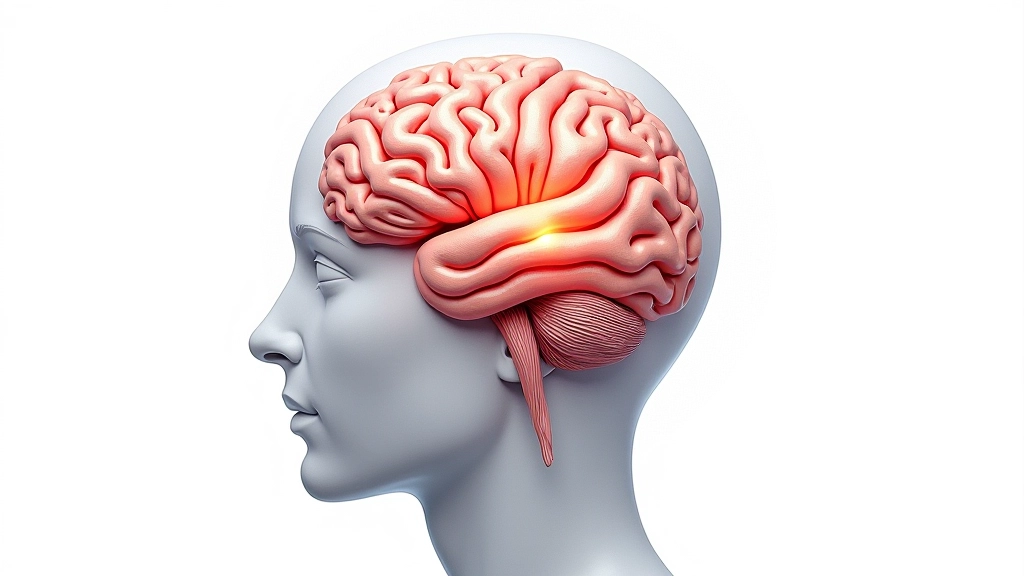
Your mind isn’t broken when it fixates on problems. It’s actually doing its job — protecting you from perceived threats. But here’s the thing: your threat-detection system evolved in a world where dangers were physical and immediate. Now it’s triggering alarm bells over deadlines, social interactions, and things that aren’t actually dangerous.
When you notice yourself spiraling into negative thoughts, you’re experiencing what psychologists call “catastrophic thinking.” It’s not a character flaw. It’s a pattern. And patterns can be interrupted.
The Reframing Principle
Reframing isn’t about pretending everything’s fine or toxic positivity. It’s about shifting from “this is catastrophic” to “what can I actually do about this?” That shift from emotion to action is where real change happens.
Educational Note: This article is informational and intended to help you understand stress management techniques. It’s not a substitute for professional mental health treatment. If you’re experiencing persistent anxiety, depression, or overwhelming negative thoughts, speaking with a qualified therapist or counselor is important.

The Three-Step Reframing Process
Catch It
First, you’ve got to notice the thought. Not judge it — just notice. Most people run through their day completely unaware of the story their brain’s telling. Set a simple trigger: “When I feel anxious, I’ll pause and ask what I’m thinking right now.” That pause is everything.
Question It
Ask yourself: “Is this thought factual or interpretive?” Big difference. “I made a mistake in the presentation” is factual. “I’m a failure and everyone thinks I’m incompetent” is your brain extrapolating. What’s the actual evidence?
Reframe It
Replace the catastrophic thought with what’s actually true and actionable. Not “I ruined everything” but “I made a mistake. Here’s what I can fix and what I’ll do differently next time.” That moves you from rumination to action.
Real Scenarios, Reframed
Theory’s useful, but you need to see this in practice. Here are situations people in Petaling Jaya face regularly, and how reframing changes the game:
Scenario: Work Presentation Didn’t Go Well
Catastrophic thought: “I completely bombed that. My manager thinks I’m incompetent. I’m going to be passed over for promotion.”
Reframed: “I stumbled on two slides and didn’t answer one question smoothly. That’s fixable. I’ll review the material, practice delivery, and ask my manager for feedback on what went well and what to improve.”
Scenario: Social Interaction Felt Awkward
Catastrophic thought: “They definitely think I’m weird. I shouldn’t have said that. Everyone’s judging me.”
Reframed: “That comment landed differently than I intended. Most people forget social awkwardness within minutes. If I’m concerned, I can clarify my point next time I see them.”


Building the Reframing Habit
You won’t wake up one day and suddenly stop catastrophizing. This isn’t about willpower — it’s about repetition. Your brain has been running these patterns for years. It takes about 3-4 weeks of consistent practice to start noticing the shift.
Here’s what actually works: Keep a thought record for one week. Write down a negative thought that bothers you, what triggered it, and what the reframed version could be. Don’t overthink it. After 7 days, you’ll see your patterns clearly. That awareness is the starting point.
Most people try to reframe without first understanding their specific patterns. You’ll fail. Know your triggers first. Then practice the reframe. Then it becomes automatic.
The Real Shift
Reframing negative thoughts isn’t about becoming someone who’s always optimistic or never worried. It’s about becoming someone who notices their thoughts, questions them, and chooses what to do next. That’s the difference between being controlled by your mind and directing it.
You’ll still have difficult thoughts. That’s not the goal. The goal is having difficult thoughts without letting them run your life. Once you can catch a catastrophic spiral and shift it to something actionable, you’ve gained back control. And that changes everything.